How the Dutch startup visa works, step by step
The Dutch startup visa is a residence permit of up to 1 year for founders from outside the EU, the EEA and Switzerland who want to build a new company in the Netherlands. You apply with a facilitator that RVO recognises, such as Inqubator in Leeuwarden. The IND decides, and aims to do so within 90 days.
In short
- It’s for founders from outside the EU, the EEA and Switzerland.
- The permit lasts up to 1 year and can’t be extended. After that year you can switch to a self-employed permit.
- You need a facilitator recognised by RVO. Inqubator in Leeuwarden is one.
- The IND fee is €423 per founder (€438 from 1 January 2027), and you need enough money to live on for the year.
What is the Dutch startup visa?
“Startup visa” is the name most people use for the IND’s residence permit for a start-up. It lets a founder from outside the EU, the EEA and Switzerland live in the Netherlands for up to 1 year to build a company. The permit can’t be extended.
During that year you work with a facilitator: an experienced organisation that guides you, recognised by RVO, the Netherlands Enterprise Agency. Inqubator in Leeuwarden is one.
The IND lists 1 year as the longest a startup permit lasts. Plan for 1 year.
- 1 yearThe longest a startup permit lasts
- 90 daysThe IND’s target for a decision
- €423The IND fee per founder
- 4 stepsFrom your application to your first year with us
Who can apply?
The IND checks these conditions:
- Your company is innovative. The IND means a product or service that’s new for the Netherlands, new technology, or a new way of working.
- You play an active role in the company yourself, not only as a shareholder or investor.
- You have a step-by-step plan that takes your idea to a company. RVO assesses it and advises the IND.
- You have a signed agreement with your facilitator.
- You and your facilitator are both registered with the KVK, the Dutch Chamber of Commerce.
- You have enough money to live on for the year. More on that below.
The facilitator has rules too. It can’t own most of your company, and it can’t be a close relative of yours.
What does a facilitator do?
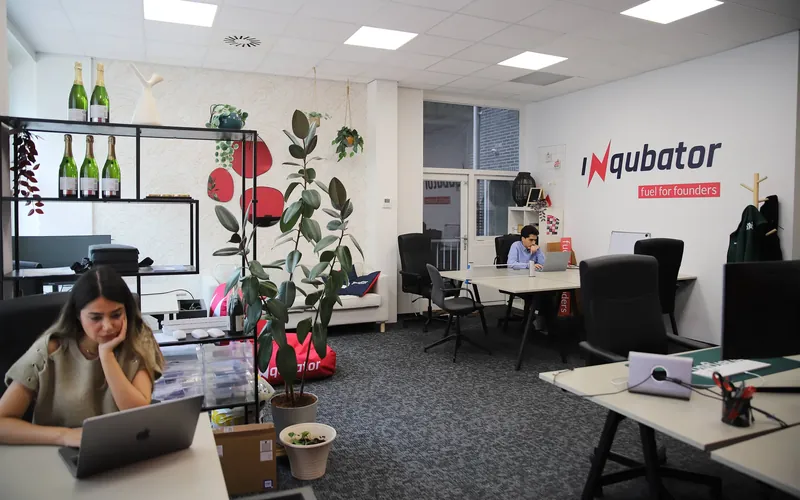
A facilitator guides you through your first year. At Inqubator that means structure, help with your network, and sharpening both your plan and how you carry it out. You work next to local and international founders at Zaailand 106, in the centre of Leeuwarden.
You stay responsible for your company. We guide you and keep an eye on how it’s going.
How does it work with Inqubator?
 Send your documentsFill in the application form. Add your pitch deck and your plan.
 Talk with usWe look at your idea, market, team and plan together.
 Make agreementsIf we’re a good match, we agree how we work together. We help you prepare, so you know what’s needed and when.
 Build your businessIn your first year, you build your business here. We guide you and connect you with experts and partners.
The application form opens on nlstartupvisa.com.
What do you need to send us?
For the first step we ask for 5 documents:
- Pitch deck
 What’s new
 Traction
 Financials
 12-month plan
- A pitch deck: problem, solution, market, revenue model, team and roadmap
- A short description of what’s new compared to existing solutions
- Traction, if you have it: customers, pilots or letters of intent
- High-level financials: budget, assumptions and runway
- A plan for your first 12 months in the Netherlands
What does it cost?
The IND charges €423 per founder for the application. The IND changes its fees every 1 January: from 1 January 2027 the fee is €438.
You also have to show that you can support yourself for the year. For a start-up, the IND uses its self-employed income requirement. In the second half of 2026 that’s €1,766.77 a month including holiday allowance, so €21,201.24 for 12 months. The amount changes during the year, so check the IND’s page on the day you apply. The IND usually wants to see it in a Dutch bank account in your name or your company’s name.
- €423IND fee per founder in 2026
- €438IND fee from 1 January 2027
- €21,201.24Money to live on for 12 months, second half of 2026
Do you need an entry visa first?
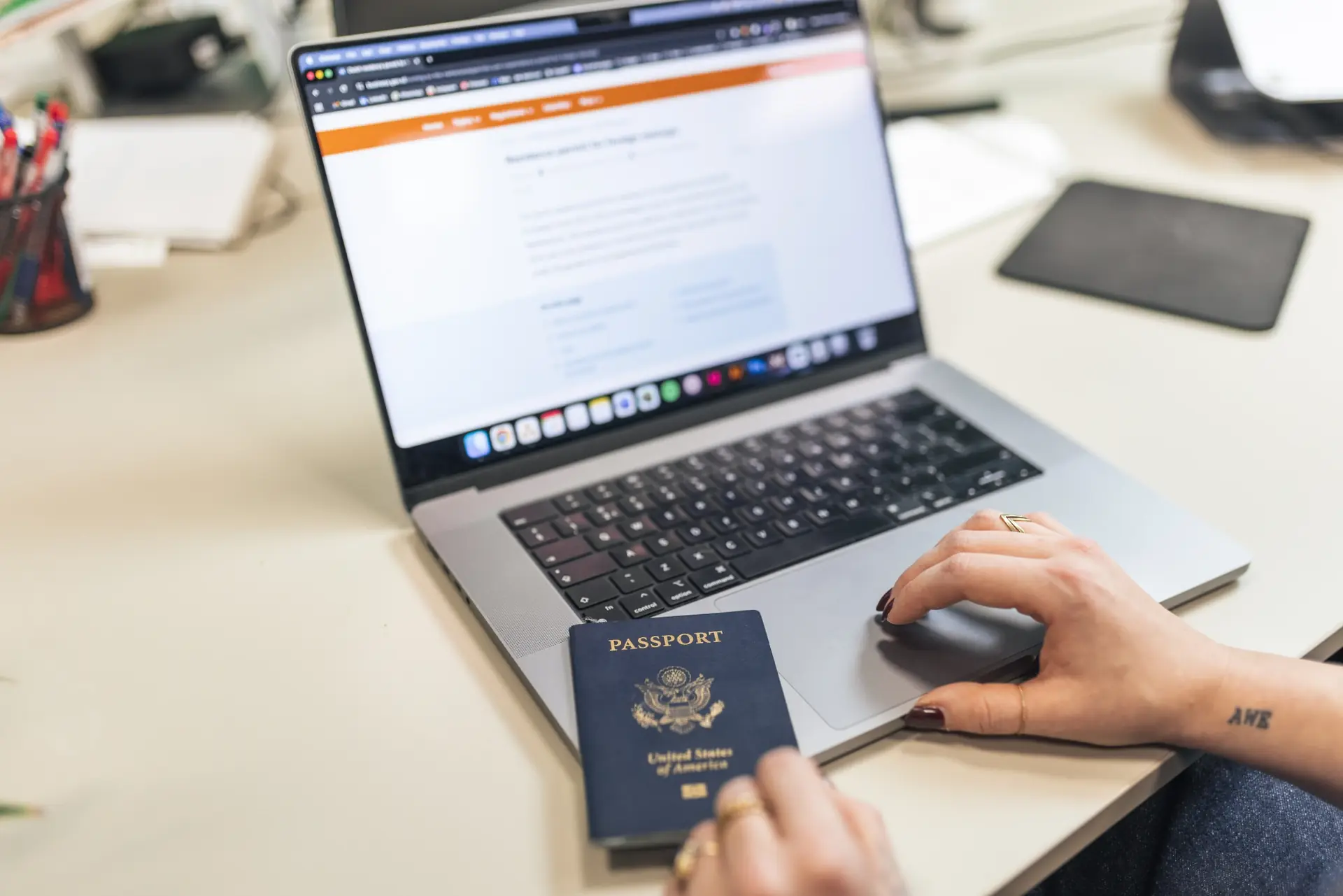
You need a provisional residence permit, the MVV, to come to the Netherlands for a longer stay.
You apply from abroad, at a Dutch embassy or consulate.
Founders from Australia, Canada, Japan, Monaco, New Zealand, the United Kingdom, the United States, South Korea and Vatican City.
Whether you can apply from inside the Netherlands depends on your nationality and your residence status, so we look at your situation with you in step 2.
What happens after your first year?
If you want to keep building your company here, you can apply for a residence permit as a self-employed person. For that you need a declaration from your facilitator that you completed at least 3 months of guidance, and your company needs to be registered with the KVK.
Apply in good time, before your startup permit ends.
Questions founders ask us
Do I need to speak Dutch?
No. You can apply and work with us in English.
Can I apply from inside the Netherlands?
Sometimes. It depends on your nationality and your residence status on the day you apply. Some founders apply from abroad through a Dutch embassy, others from inside the Netherlands. We go through your situation with you in step 2.
How long does it take?
The IND aims to decide within 90 days. It can take longer, for example because RVO first advises the IND on your plan.
Can I visit before I apply?
Yes. Book a tour and come by for a coffee or tea. Most tours are on Wednesdays, but any weekday works.
Ready to apply?
Apply directly, or drop by first and meet the other founders.
Sources
- INDResidence permit for a start-upind.nl (opens in a new tab)
- INDFeesind.nl (opens in a new tab)
- INDRequired amounts and income requirementsind.nl (opens in a new tab)
- INDWho doesn’t need an MVVind.nl (opens in a new tab)
- RVORequirements for a residence permit for foreign startupsenglish.rvo.nl (opens in a new tab)
- Business.gov.nlResidence permit for foreign startupsbusiness.gov.nl (opens in a new tab)
- Staatscourant 2026, 35174IND fees from 1 January 2027zoek.officielebekendmakingen.nl (opens in a new tab)
Drafted with AI from the sources above and checked by Alex, community manager, on 4 November 2026. How we make our guides
This is general information, not legal advice. The IND decides on every application.